

The BSTE Program
A flexible, English-taught Master’s program at RWTH Aachen University combining battery science, engineering, research labs, and application-oriented electives.
Why Battery Science and Technology?
Batteries are the key technology for electric mobility, renewable energy grid integration, and global decarbonization.
This program covers the complete battery value chain: from electrochemistry and cell production to battery management systems, second life, and recycling.
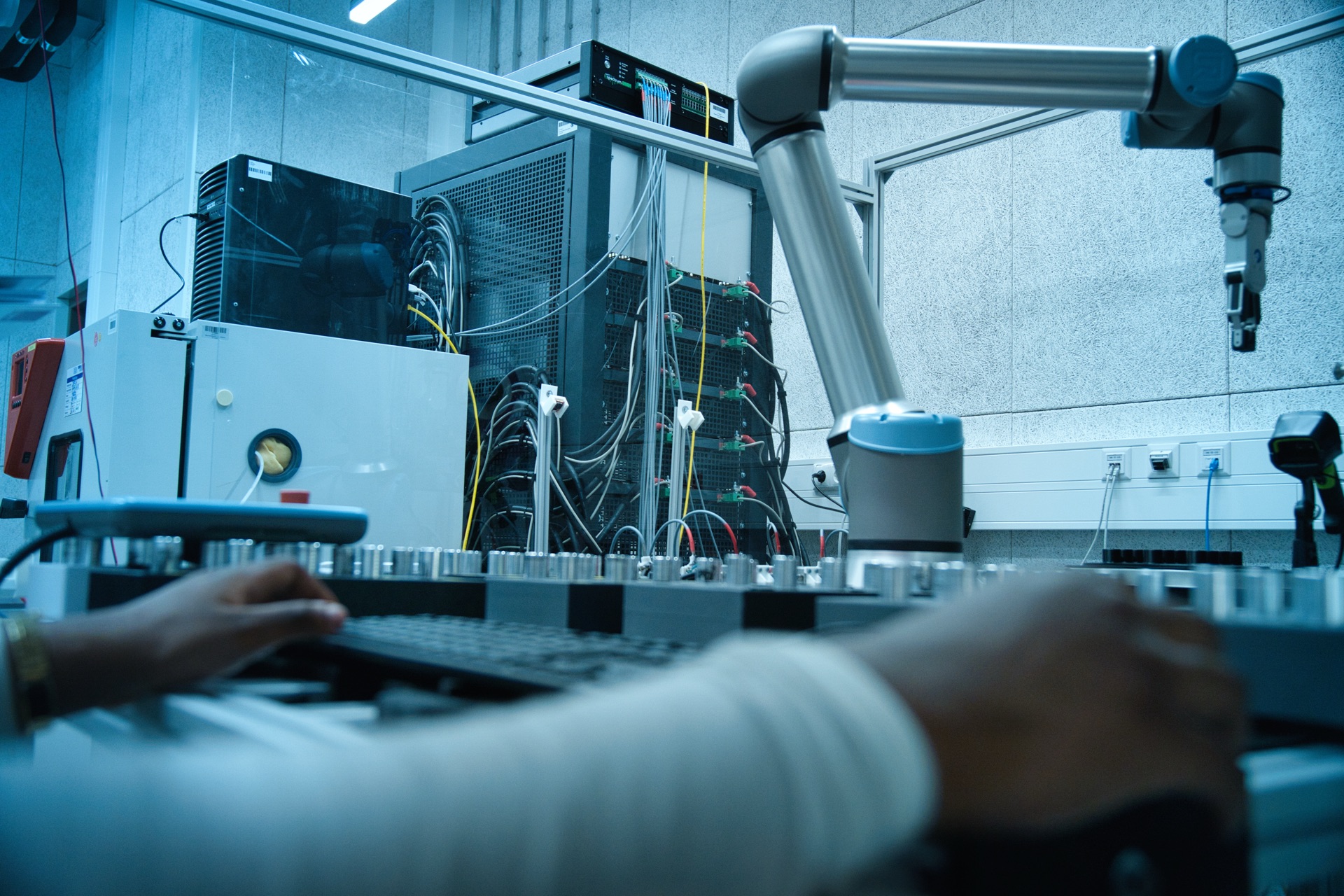
Strong Research-Based Teaching and Modern Laboratories
- Strong research-based teaching in modern laboratories
- Integration into active RWTH battery research projects
- Practical 1:1 mentorship in laboratory internships
- Development of battery electronics, models and algorithms
- Close collaboration with leading industry partners
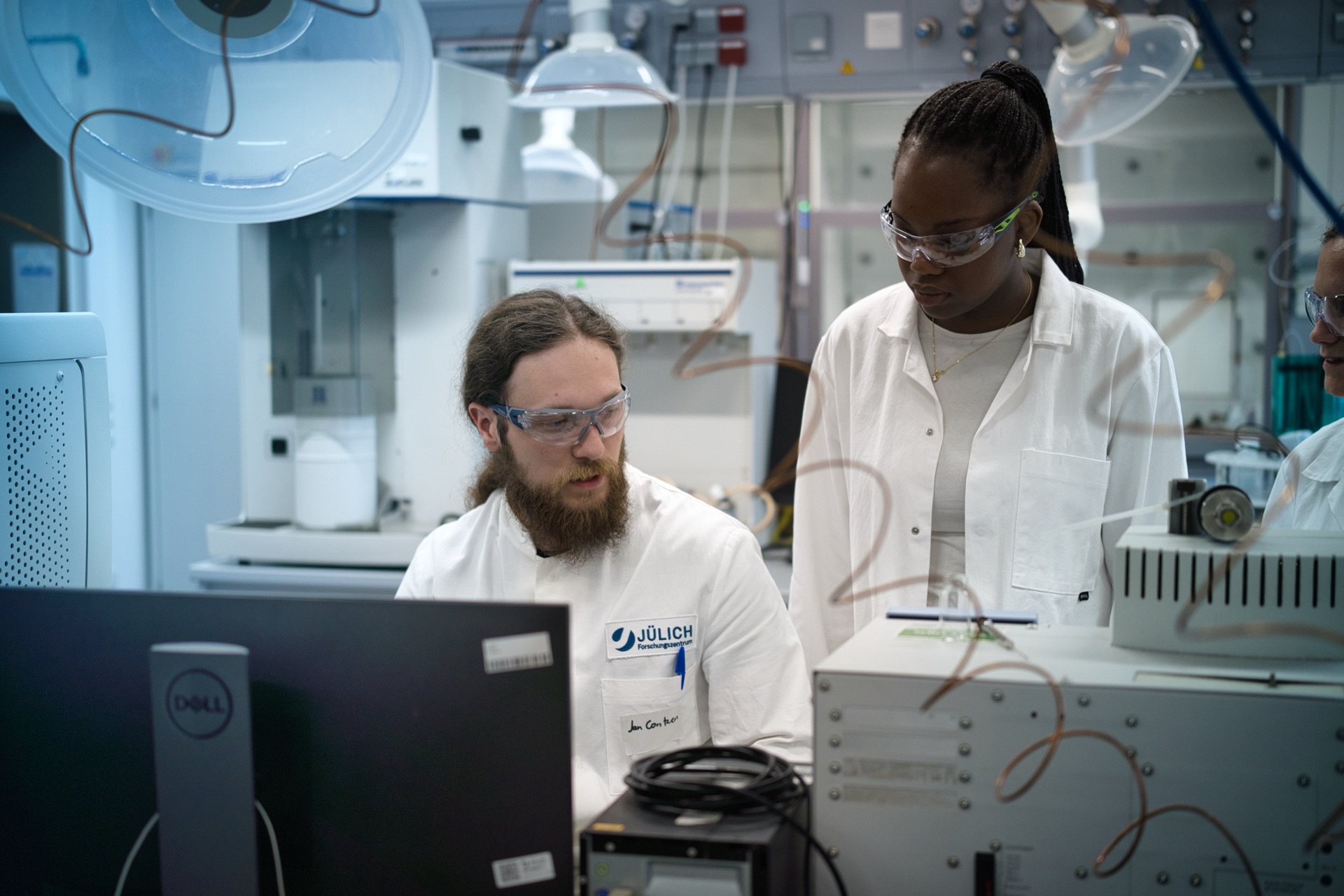
An Interdisciplinary Master Degree
Combining scientific depth and engineering practice across five leading faculties at RWTH Aachen University.
M.Sc. Battery Science & Technology
RWTH Aachen UniversityM.Sc. Battery Science & Technology
Student Experience in the BSTE Master Program

“I am really enjoying the program! I have been studying both chemistry and electronics, and programming has been a hobby of mine for many years. This master's program allows me to combine all three areas in a meaningful way in the context of energy storage systems.
In my Research Lab on battery modelling, I investigate how input data influences cell simulation accuracy using RWTH's High-Performance Computing (HPC) infrastructure. Applying lecture concepts directly to scientific research connected to machine learning makes learning both challenging and deeply relevant.”
Kirill Beskorovainyi
M.Sc. Candidate in Battery Science and Technology in Engineering • RWTH Aachen University
Curriculum & Course Overview
The 4-semester curriculum combines compulsory core subjects, specialized electives, 14-week research lab internships, and the 6-month Master's thesis project.
Key Learning Outcomes
- Electrochemical fundamentals and battery safety
- Cell and pack design, engineering and thermal management
- Battery production processes and quality assurance
- Battery electronics, management systems (BMS) and diagnostics
- Data analytics, second-life concepts and circular recycling
Career Fields & Industry Opportunities
Shape Your Path in Battery Engineering
The BSTE program combines scientific depth, engineering application, hands-on research, and a flexible curriculum. Students gain the skills needed to contribute to the future of battery technologies across research, industry, and innovation.